

Walking in Europe Series: St. Francis/Francigena (Italy) & Via de la Plata (Spain)
Saanich Commonwealth Centre
Walking in Italy and Spain blends stunning scenery, rich history, and unforgettable food. Experienced travelers share stories, trails, accommodations, and culinary highlights.
The combined St. Francis → Via Francigena pilgrimage, it can be described as a journey linking two major Italian pilgrimage traditions:
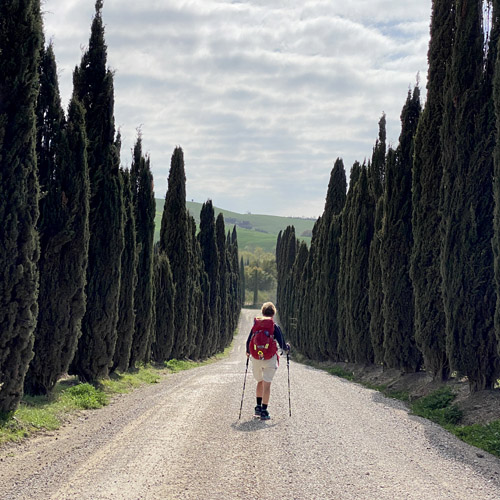
The St. Francis Way to the Via Francigena connects the spiritual world of St. Francis of Assisi with the ancient pilgrimage route to Rome. Beginning around La Verna or Assisi, the route follows the footsteps of St. Francis through the beautiful hills and villages of Umbria and Lazio, eventually joining the Via Francigena toward Rome. Pilgrims experience forests, medieval hill towns, monasteries, vineyards and historic religious sites, with Assisi, Rieti, Viterbo and Rome among the major highlights. It offers a wonderful combination of Franciscan spirituality and the broader European pilgrimage tradition, ending at St. Peter’s Basilica in Rome.
Also featured: the Via de la Plata (Silver Way), a 1,000+ km Camino route from Seville to Santiago, known for solitude. The Via de la Plata is one of Spain’s longest and most historic pilgrimage routes to Santiago de Compostela. Beginning in Seville, the route travels north through the heart of Spain before joining the Camino Francés or continuing toward Santiago through Astorga.
Along the way, pilgrims pass through ancient Roman towns, historic cities, open countryside, forests, and traditional Spanish villages. The route is known for its peaceful atmosphere, fewer pilgrims, and long stretches of remote landscapes. It is a more demanding Camino, both because of its length and the distances between some towns, but it offers a rich combination of history, nature, culture, and personal reflection. Best in spring or autumn. Q&A follows.
Thursday, Sep 24, 2026
6:00 PM – 8:00 PM
Registration code and link: #164502
SCP Douglas Fir Room